12 July 2026
Eating for Steady Energy
Build a balanced plate together and talk about how meal order affects how you feel. At our Christchurch space on Innes Road.
Register Interest
General ideas about meal order and everyday eating. Individual responses differ — this is not personalised nutrition advice.
Diet changes may not suit everyone, especially if you have diabetes, eating disorders, or take medication. Speak with a registered dietitian or doctor before making significant changes to how you eat.
Eating a muffin, chocolate bar, or sweet coffee on an empty stomach may cause a quick rise in blood glucose for some people. You might feel sharp and awake — for a little while. Then energy can dip, sometimes below where you started. Some people describe this as an afternoon crash: brain fog, irritability, and craving more sugar. Individual responses vary.
This is not about willpower alone. If you often reach for quick sugar, balanced meals alone may not feel like enough for some readers. One approach is adding protein, fat, and fibre — and changing the order you eat foods so glucose may rise more gently for you.
Everyone is different: two people eating the same meal can have very different responses depending on sleep, activity, and overall health. Some readers find it helpful to eat vegetables and protein before starches — but individual results vary.
| What You Do | What Happens to Blood Sugar | How You Feel After 2 Hours |
|---|---|---|
| Bread or sweets first | Sharp rise, then a drop | Tired, hungry again |
| Vegetables first, then protein | Gentle, steady rise | Focused, fewer cravings |
| Protein and fat before carbs | Moderate rise, stays stable | Full and satisfied |
| 10-minute walk after eating | Lower spike either way | Clearer afternoon |
Leafy greens and vegetables form a kind of buffer in your stomach that slows down how fast carbs get absorbed. Protein digests slowly too and helps you feel full. At lunch, try eating your salad or steamed vegetables first, then chicken or legumes, and save rice or bread for last if you are still hungry.
Some published nutrition studies have explored whether eating vegetables before starchy foods may lead to a smaller rise in blood glucose for some people compared with eating starches first. Outcomes differ widely between individuals. We share this as background context only — not as a promise of any specific result for you.
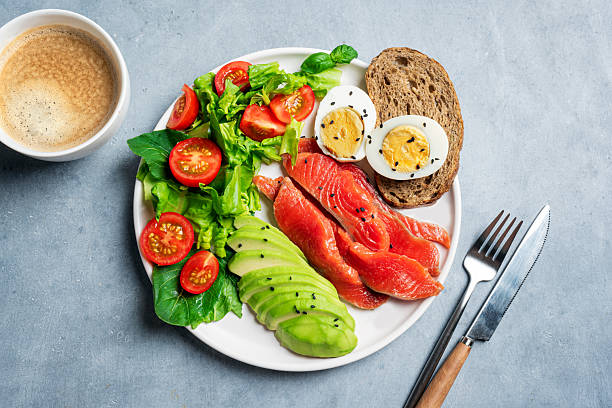
Half your plate: vegetables — spinach, broccoli, capsicum, or salad with olive oil. One quarter: protein like fish, tofu, lamb, or lentils. The last quarter: slower carbs like kumara, brown rice, or wholegrain bread. Simple, and it works for dinners and packed lunches alike.
Drink water through the day too. Even mild dehydration can make you feel more tired. Small sips regularly beat large gulps only at mealtimes.
Try this: rate how you feel at 3 pm every day for two weeks while changing meal order. Some readers notice a difference in afternoon alertness before anything changes on the scales. Individual results vary.
Same foods, different order — drag-free simulator below shows why the sequence on your plate matters.
Most of us think about what we eat, but rarely about the order we eat it in. Yet that order may change how sharply blood glucose rises for some people and how they feel two hours later. Imagine a typical work lunch: a side salad, grilled chicken, rice, and a biscuit with coffee. Eat the biscuit first and some people feel a quick lift, then a dip. Eat the salad and chicken first and the same meal may feel different. This is general information — not personalised nutrition advice.
The tool on the right lets you tap food groups in the order you would eat them. Watch the energy bars shift after eating, at one hour, and at two hours. It is a simplified picture, not a medical test — but it mirrors what many people report in real life. Starting with vegetables or protein usually flattens the curve. Starting with bread or sweets creates a spike followed by a dip.
Try two versions: first build the order you normally use, then reset and put vegetables and protein at the front. Compare the results. If the steady pattern matches how you want to feel through the afternoon, you already have a free experiment to run this week — no new recipes required, just a different sequence on the same plate.
Click the food groups in the order you would normally eat them. The chart shows a simplified picture of how your energy might feel over the next two hours.
Build a balanced plate together and talk about how meal order affects how you feel. At our Christchurch space on Innes Road.
Register InterestPrepare vegetable-first lunches for the work week together. Bring your own containers.
Register InterestAn informal demonstration of how meal order may affect how some people feel — illustrative only, not a clinical assessment.
Register InterestFood works best alongside movement and morning light for energy that lasts all day.