
Breathe Better, Feel Clearer
General lifestyle ideas about breathing more slowly through your nose. This is educational content — not respiratory therapy or medical advice.
Breathing exercises are not suitable for everyone. Stop immediately if you feel dizzy, tingling, or unwell. Speak with a qualified health professional if you have asthma, heart conditions, or other concerns before changing how you breathe.
Why Slow Nose Breathing Works Better
Some people breathe quickly through the mouth during stress or desk work. Slow nose breathing is a common relaxation technique. It may help you feel clearer and calmer, but experiences differ and this is not a treatment for any condition.
Signs that your breathing pattern may feel off include frequent sighing, yawning, or brain fog. Breathing slowly through your nose filters and humidifies the air and slows your rate. Stop any practice that makes you feel worse.
Your cells need that oxygen to make energy. Better breathing supports the same daily habits covered in our guides on cold showers, movement, and food.
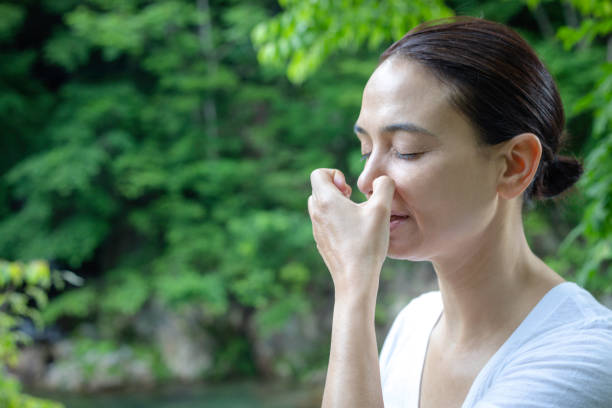
Simple Breathing Exercises to Try
-
Check your baseline
Sit quietly and breathe through your nose for two minutes. Notice if you feel rushed to take the next breath. After a normal exhale, see how long you can comfortably hold — many people manage 15–25 seconds.
-
Slow breathing sets
Breathe in gently for 4 seconds, out for 6–8 seconds through your nose. Do this for 5 minutes daily. A slight urge to breathe is normal — it means your body is adjusting.
-
Walk and hold
After breathing out, walk 10–15 steps while holding your breath, then breathe normally through your nose. Repeat 3–5 times. Only on flat ground, when you feel well — never in water or while driving.
-
Track your progress
Retest your comfortable breath hold every two weeks. Gradual improvement often comes with less yawning and clearer focus at your desk.
These ideas are similar to approaches used in calm breathing programmes: breathe less volume, make your exhale longer, and use your nose. Many people report feeling less stressed and sleeping better, even without any special equipment.
A short walk after meals — from our food guide — also helps, because movement increases carbon dioxide in your muscles where oxygen is needed most.
Where Breathing Fits Into Your Day
After a Cool Shower
Cold water makes you gasp. Try switching to slow nose breathing within ten seconds instead of panting through your mouth. After you get out, spend three minutes breathing in for 4 and out for 6 before coffee or food.
During Movement Breaks
Breathe through your nose during brisk walking or desk squats. Hard bursts may need mouth breathing — switch back to nose breathing within a minute of finishing.
Before Bed
Long exhales help your body wind down. Try breathing in for 4, holding for 7, out for 8 — six rounds. It pairs well with the morning light habit that helps you sleep on time.
-
Nose breathing at rest Keeps airways comfortable and filters dust — helpful during Christchurch pollen season.
-
Tape at night — optional Some people use gentle tape to encourage nose breathing while sleeping. Only try this if you can breathe clearly through your nose.
-
Never hold your breath in water Shallow-water blackout is a real risk. Practice on dry land only — sitting or walking on flat ground.
Common Questions
Keep Reading
Breathing ties together cold showers, smart eating, and morning light into one daily routine.