15 June 2026
Morning Walk in Hagley Park
A relaxed 45-minute walk about morning light and how it helps you feel awake. Meet at the Botanic Gardens entrance.
Register Interest
You do not need a complicated plan. This site shares general lifestyle ideas — such as a cool shower finish, short desk movement, morning daylight, and thoughtful meal order — that some people find helpful. Results vary; see our About page for what we do and do not offer.
How alert you feel day to day is influenced by sleep, food timing, movement, and daylight. This site explores everyday habits in those areas — described in plain language, without promising specific outcomes.
How alert you feel depends on many everyday factors: sleep, food timing, movement, and daylight. Some people find that small, manageable actions — like ending a shower with cool water or doing two minutes of squats — may help them feel more steady over time. This is general information only, not a guarantee of any outcome.
This site publishes free lifestyle articles you can read at your own pace. Each topic has its own page with practical suggestions. Try what fits your routine, notice how you feel, and stop anything that does not suit you. Speak with a qualified health professional if you are unsure.
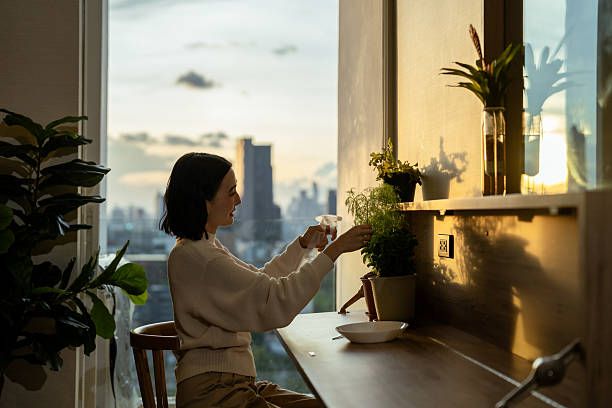
When you finish a shower with 30–90 seconds of cooler water, or stand up for a quick set of squats, you add a gentle stimulus to an otherwise sedentary day. Some readers report feeling more alert afterwards. This is educational content — not exercise or medical guidance tailored to you.
You do not need ice baths or long gym sessions. A two-minute movement break every hour keeps blood flowing and stops long sitting from draining your energy. After a cool rinse, try slow breathing through your nose — it helps you feel alert without feeling wired.
Sweets and white bread lift your energy fast, but the drop that follows can leave you tired and reaching for more. What you eat — and in what order — makes a big difference.
Sugary snacks and refined carbs can cause a quick rise in blood glucose for some people. When levels fall again, you may feel foggy, irritable, or hungry — especially around mid-afternoon. Individual responses vary.
Some published nutrition studies suggest that eating greens and protein before bread or rice may lead to a smaller rise in blood sugar for some people. Fibre and protein digest more slowly and can help you feel fuller. Individual responses vary.
A balanced breakfast within an hour of waking helps you start the day steadily. Save heavier carbs for after you have been active, when your body can use them better.
Step outside or open a window. Even on a grey Christchurch morning, outdoor light is much brighter than indoor lighting — and your body notices.
Morning light is one signal your body uses to align its daily rhythm. Some people feel more alert when they get outdoor light soon after waking.
Getting daylight earlier in the day may help some people feel ready for sleep at a regular time. Good rest often supports how you feel the next day — but sleep needs differ for everyone.
Early daylight may help your brain register that the day has started. Without enough morning light — especially in winter — some people feel slow until later in the morning. This is general lifestyle information, not treatment for sleep or hormone conditions.
You do not need direct sun on your skin; your eyes pick up much of the signal. Aim for 10–20 minutes outside when you can. If that is hard, a bright light therapy lamp used at the same time each morning is an option some people choose after speaking with a professional.
It sounds odd, but breathing too fast through your mouth can actually mean less oxygen reaches your muscles and brain. Slow nose breathing works better for many people.
Some people find that breathing quickly through the mouth leads to light-headedness or brain fog. Breathing more slowly through the nose is a common relaxation technique. It may help you feel clearer and calmer, but individual experiences differ.
Simple daily practice — like breathing in for 4 seconds and out for 6–8 seconds through your nose — takes about five minutes. Some readers report less yawning and improved focus after a few weeks. Always practice on dry land, sitting or walking on flat ground. Stop if you feel unwell.
Keep your mouth closed during desk work and light walking. This alone can make a noticeable difference.
Breathe in for 4 seconds, out for 6–8 seconds through your nose. Stay relaxed — no forcing.
After a quick movement break, spend three minutes on slow nose breathing to help your body settle.
These are general lifestyle tips, not personal advice. Skip or adjust anything that does not feel right for you.
Introduce cold showers, breathing exercises, and diet changes bit by bit. Going too fast can cause dizziness or an upset stomach.
Never do long cold immersion alone or in open water. Get out right away if you feel chest tightness, numbness, or confusion.
Do not hold your breath while driving, swimming, or standing up. Stop if tingling or vision changes do not pass quickly.
Age, medications, and fitness level all matter. Talk to a qualified professional if you are unsure whether something is right for you.
Free, informal information sessions about everyday lifestyle habits. No clinical services are offered. Register your interest and we will confirm date, venue, and details by email.
A relaxed 45-minute walk about morning light and how it helps you feel awake. Meet at the Botanic Gardens entrance.
Register InterestSimple exercises you can do at work in under two minutes. Indoor venue on Innes Road.
Register InterestAn evening talk about meal order and building plates that keep you going through the afternoon.
Register InterestWe believe landing pages should be clear about who is behind them — especially for readers in New Zealand.
Eliminatenew.ddd is a Christchurch-based publisher of free lifestyle and wellbeing articles. We explain everyday habits in plain language. We do not sell supplements, medical devices, or personalised treatment plans, and we do not replace advice from your doctor or other qualified professional.
Our contact details, editorial approach, and full disclaimer are on the About Us page. Legal policies — including our Privacy Policy, Cookie Policy, and Terms of Use — are linked in the footer of every page.
Please note: All articles are educational. Interactive tools are simplified illustrations, not diagnostic devices. Individual results vary. Consult a qualified health professional before changing diet, exercise, breathing, or light exposure — especially if you have a medical condition or take medication.